

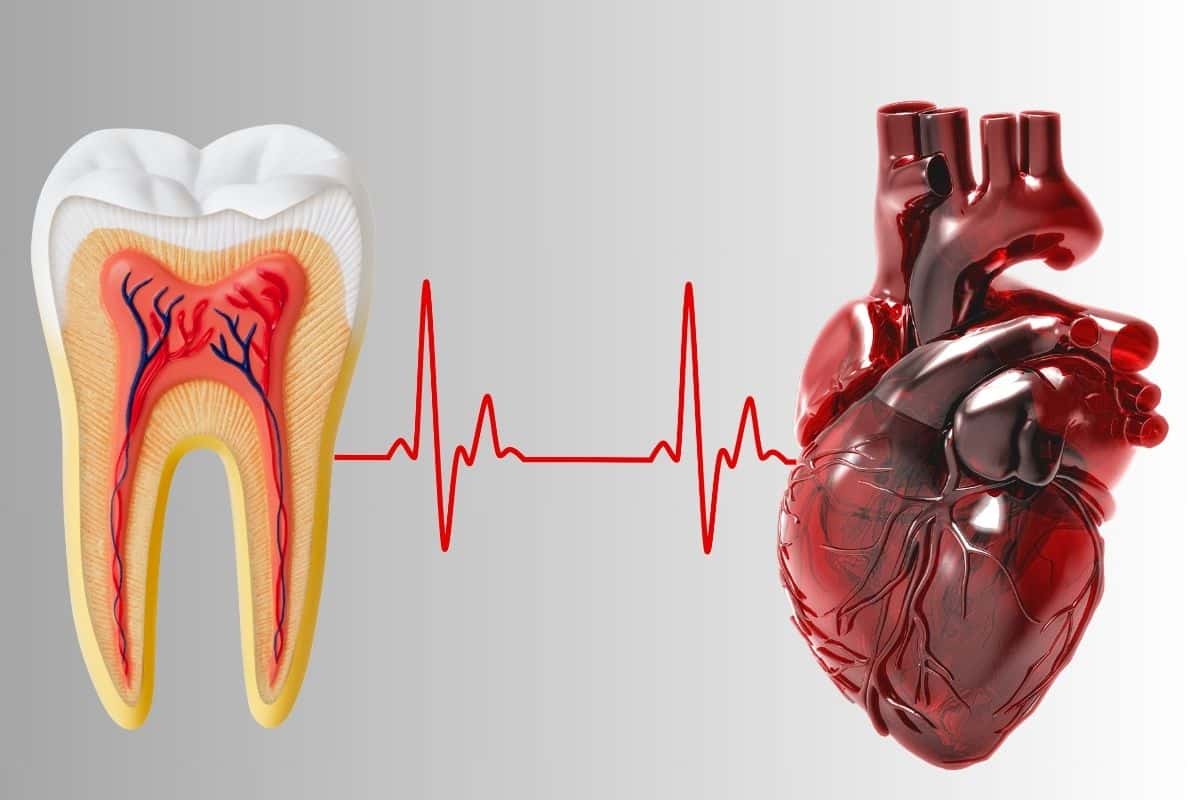
For decades, dental care was viewed primarily as a way to maintain a bright smile and prevent cavities. However, modern medical research has revealed something far more significant: the health of your mouth is deeply connected to the health of your entire body, particularly your heart. Understanding the link between dental hygiene and heart disease has become one of the most critical topics in preventive medicine today.
Cardiologists and dentists alike now emphasize that poor oral health may increase the risk of cardiovascular conditions, including heart attacks, stroke, and arterial inflammation. While this connection might seem surprising, the biological mechanisms behind it are clear—what happens in your mouth doesn’t stay there.
Understanding the Connection Between Oral Health and the Heart
The Mouth as a Window to Overall Health
The human mouth is a gateway to the body. It harbors millions of bacteria—some beneficial, others potentially harmful. When oral hygiene is neglected, harmful bacteria accumulate on teeth and gums, forming plaque. Over time, this can lead to gum disease (periodontitis), an infection that damages soft tissue and bone.
The problem arises when bacteria from infected gums enter the bloodstream through small lesions or inflamed gum tissue. Once inside the circulatory system, these microorganisms can travel throughout the body, causing inflammation in distant organs and blood vessels, including the arteries around the heart.
Inflammation: The Common Link
Inflammation is the body’s natural response to infection or injury, but chronic inflammation is a major contributor to heart disease. Gum disease triggers ongoing inflammation in the mouth, which can raise levels of inflammatory markers like C-reactive protein (CRP) and cytokines.
These same inflammatory molecules are known to contribute to atherosclerosis—the buildup of plaque in arterial walls that restricts blood flow. When arteries narrow and harden, the risk of heart attack and stroke increases significantly.
In short, the inflammation that starts in your gums can have a ripple effect that ultimately harms your heart.
How Gum Disease Impacts Cardiovascular Health
1. Bacteria Entering the Bloodstream
When gums are inflamed, they become more permeable, allowing bacteria to enter the bloodstream. Once there, oral pathogens can attach to fatty deposits in arteries, promoting the formation of clots and arterial plaque.
Certain bacteria associated with periodontal disease, such as Porphyromonas gingivalis, have been found in the arterial plaques of patients with heart disease. This suggests that oral bacteria may directly contribute to vascular damage.
2. Elevated Inflammatory Response
Gum disease doesn’t just stay localized—it prompts the immune system to produce inflammatory compounds that circulate throughout the body. Elevated inflammation damages the endothelium, the inner lining of blood vessels, reducing their ability to dilate properly and increasing blood pressure.
Over time, this systemic inflammation can exacerbate conditions like hypertension and atherosclerosis, both major precursors to cardiovascular events.
3. Increased Risk of Endocarditis
Endocarditis is a rare but serious infection of the inner lining of the heart (endocardium). It occurs when bacteria from another part of the body, such as the mouth, spread through the bloodstream and attach to damaged areas in the heart.
People with preexisting heart conditions or artificial valves are particularly vulnerable. Good oral hygiene and regular dental care are therefore crucial preventive measures for these individuals.
Scientific Evidence Supporting the Connection
Numerous studies have explored the relationship between oral health and heart disease. Researchers have found:
- People with gum disease are up to two to three times more likely to experience a heart attack, stroke, or other serious cardiovascular event.
- Chronic periodontitis increases blood levels of CRP, an inflammatory marker associated with heart disease risk.
- Treating gum disease can reduce systemic inflammation and improve endothelial function.
While correlation does not prove direct causation, the consistency of these findings strongly supports the role of oral health as a contributing factor in cardiovascular risk.
Risk Factors Linking Poor Oral Hygiene and Heart Disease
Certain lifestyle and health factors overlap between poor dental health and heart disease, compounding the risk.
Smoking
Smoking damages both gum tissue and blood vessels. It reduces oxygen flow to the gums, delays healing, and contributes to the buildup of arterial plaque. Smokers are at a significantly higher risk for both gum disease and coronary artery disease.
Diabetes
Uncontrolled diabetes weakens the immune system, making it harder to fight off bacterial infections, including those in the gums. Conversely, severe gum disease can make it harder to control blood sugar levels, creating a vicious cycle that increases cardiovascular risk.
Poor Diet
A diet high in refined carbohydrates, sugar, and saturated fats fuels both gum inflammation and heart disease. Nutrient deficiencies—particularly in vitamin C, vitamin D, and omega-3 fatty acids—can also impair immune response and tissue repair.
Stress
Chronic stress increases inflammation, elevates cortisol levels, and weakens immune defenses. It can also lead to neglect of oral hygiene and unhealthy habits like smoking or overeating, further amplifying the risk.
Maintaining Oral Health for a Healthy Heart
1. Prioritize Daily Oral Hygiene
Consistent, effective dental care is the first line of defense against gum disease and its potential impact on heart health.
Essential daily habits include:
- Brushing twice a day: Use a soft-bristled toothbrush and fluoride toothpaste to remove plaque effectively.
- Flossing daily: Removes plaque and food particles from between teeth and below the gum line where brushing can’t reach.
- Using mouthwash: Antimicrobial rinses can reduce bacterial buildup and help maintain gum health.
Maintaining these simple routines can significantly reduce gum inflammation and lower the chances of bacteria entering the bloodstream.
2. Schedule Regular Dental Checkups
Professional dental cleanings and exams every six months are vital for preventing and treating gum disease early. A dentist can identify issues like gingivitis before they escalate into periodontitis, protecting both your oral and cardiovascular health.
For patients with heart disease or risk factors, it’s essential to inform your dentist. They may recommend additional preventive measures, such as antibiotic prophylaxis before dental procedures, to minimize the risk of infection spreading.
3. Adopt a Heart-Healthy Diet
Nutrition plays a dual role in supporting oral and cardiovascular health. Focus on a diet that includes:
- Fruits and vegetables: Rich in antioxidants that combat inflammation.
- Whole grains: Improve cholesterol levels and reduce blood pressure.
- Lean proteins: Fish, poultry, and legumes provide essential amino acids for tissue repair.
- Healthy fats: Omega-3s from fish and flaxseed support vascular health.
- Low sugar intake: Reduces plaque formation and bacterial growth.
Eating for heart health naturally supports your gums, as both thrive on nutrient-dense, anti-inflammatory foods.
4. Quit Smoking and Limit Alcohol
Both smoking and excessive alcohol consumption damage gum tissue, alter bacterial balance in the mouth, and increase blood pressure. Quitting smoking not only improves oral health but also cuts heart disease risk nearly in half after a few years of cessation.
5. Manage Chronic Conditions
If you have conditions like diabetes or high blood pressure, managing them effectively reduces systemic inflammation and the bacterial environment that contributes to gum disease. Regular checkups with both your physician and dentist can help coordinate care.
6. Focus on Stress Reduction
Chronic stress can indirectly harm oral and heart health through inflammation and neglect of self-care. Incorporate relaxation techniques such as meditation, deep breathing, or regular exercise to reduce tension and support immune balance.
Warning Signs of Gum Disease
Recognizing the early symptoms of gum disease can help you take action before it escalates. Common signs include:
- Red, swollen, or bleeding gums
- Persistent bad breath
- Receding gum line or loose teeth
- Pain or tenderness when chewing
If you experience any of these symptoms, seek professional dental evaluation promptly. Treating gum disease early can halt progression and lower the risk of systemic complications.
The Role of Dentists and Cardiologists Working Together
As research on the oral-systemic connection grows, collaboration between dental and medical professionals is becoming increasingly important. Dentists can identify oral signs of systemic inflammation, while cardiologists can monitor patients with periodontal disease for cardiovascular issues.
This interdisciplinary approach ensures comprehensive care, addressing not only the visible symptoms but also the underlying inflammatory mechanisms that affect both the mouth and the heart.
Emerging Research on the Oral-Cardiac Connection
Recent studies continue to deepen our understanding of the connection between oral bacteria and cardiovascular disease. Researchers are exploring how microbial imbalances in the mouth influence gut health, immune response, and even cholesterol metabolism.
Some promising findings suggest that improving oral hygiene may lower systemic inflammation markers and improve vascular function within weeks. This growing body of evidence reinforces the concept that maintaining oral health is not just cosmetic—it’s preventive medicine.
Frequently Asked Questions (FAQ)
Q1: Can brushing and flossing really prevent heart disease?
While brushing and flossing alone can’t completely prevent heart disease, they play a key role in reducing gum inflammation and bacterial spread, both of which contribute to cardiovascular risk.
Q2: How often should I see a dentist if I have heart disease?
Patients with cardiovascular conditions should schedule dental checkups every 3–6 months. Frequent monitoring helps manage gum health and prevent infections that could affect the heart.
Q3: Is there a test that shows if oral bacteria are affecting my heart?
While no single test directly links oral bacteria to heart disease, dentists and doctors can assess inflammation markers like C-reactive protein and periodontal health to gauge overall risk.
Q4: Can gum disease treatment improve heart health?
Yes. Treating periodontitis has been shown to reduce systemic inflammation and improve endothelial function, both of which benefit cardiovascular health.
Q5: Are people with healthy gums completely protected from heart disease?
No. Heart disease is multifactorial, involving genetics, lifestyle, and diet. However, maintaining oral health significantly lowers one major risk factor.
Q6: What role does oral bacteria play in atherosclerosis?
Certain bacteria from the mouth can enter the bloodstream, adhere to arterial walls, and contribute to plaque buildup, accelerating atherosclerosis.
Q7: Should I tell my dentist if I’m on heart medication?
Absolutely. Some heart medications can affect oral tissues, and your dentist can adjust treatment plans accordingly to prevent complications.
Understanding the link between dental hygiene and heart disease highlights the importance of comprehensive health care that includes both the mouth and the body. Taking consistent care of your oral hygiene—through daily habits, regular dental visits, and healthy lifestyle choices—can protect not only your smile but also your heart for years to come.