

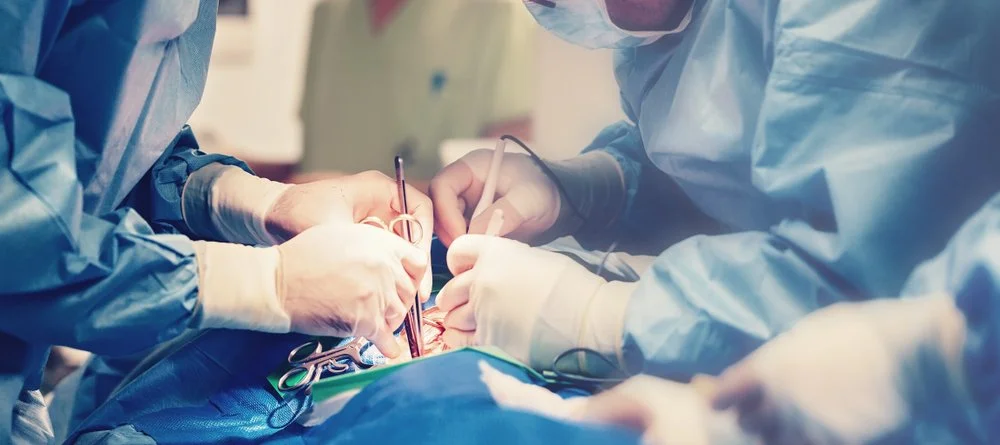
Gender-affirming surgery can involve several different procedures, and the right approach depends on anatomy, goals, health and the type of result the patient is seeking. Anyone researching phalloplasty in Thailand should expect a detailed surgical consultation that explains the procedure, likely stages, recovery and potential complications rather than treating it as a single straightforward operation.
Phalloplasty Can Involve Several Stages
Phalloplasty generally involves creating a penis using tissue taken from another part of the body. Depending on the surgical plan, additional procedures may be carried out at the same time or later.
The exact sequence varies between patients and surgical teams. Some people may undergo urethral reconstruction, scrotal procedures or placement of prosthetic devices as part of a staged process. Others may have different priorities and choose a more limited combination of procedures.
This makes it important to understand exactly what is included in the proposed surgery. Patients should ask which procedures are planned for the first stage, which may happen later and how long surgeons normally recommend between stages.
A clear timeline helps avoid the assumption that every part of the process will be completed in one operation.
Donor-Site Choice Affects The Surgical Plan
Tissue used to construct the penis may be taken from different areas of the body depending on the technique and patient suitability. The donor site can affect scar position, healing, sensation and the amount or type of tissue available.
Patients should understand why a particular donor area is being recommended. Surgeons may consider skin quality, blood supply, body composition, previous surgery and personal preferences.
The donor area itself also needs recovery. It is easy to focus entirely on the reconstructed genital area, but wound care and healing at the tissue-harvesting site can be an important part of the overall process.
Photographs of healed donor sites, where appropriately available, can help patients understand what the long-term appearance may be like.
Function And Sensation Need Realistic Discussion
Patients may have several goals, including appearance, standing urination, sexual sensation or penetrative function. Not every surgical technique achieves every goal in the same way, so these priorities should be discussed openly before surgery.
Sensation can develop gradually and varies between individuals. Where nerve connections are performed, recovery can take time and outcomes are not identical for every patient.
Erectile devices may be considered at a later stage for people seeking rigidity for penetration. These are additional surgical procedures with their own risks, maintenance and recovery considerations.
A useful consultation should separate what is technically possible from what is reasonably expected for the individual patient.
Recovery And Complications Need Careful Planning
Phalloplasty is major surgery and can involve a significant recovery period. Patients may need time away from work and everyday activities, as well as repeated follow-up.
Potential complications can include wound problems, urinary issues, infection, scarring or complications relating to the donor site or later prosthetic surgery. The surgical team should explain how these are monitored and managed.
Anyone travelling internationally should also consider how long they need to remain near the surgical team before flying home. Follow-up arrangements after returning should be clear before surgery takes place.
The most important decision is not simply where to have the procedure. It is whether the surgical plan, expected outcome, recovery requirements and long-term follow-up have been understood properly and align with the patient’s individual goals.