

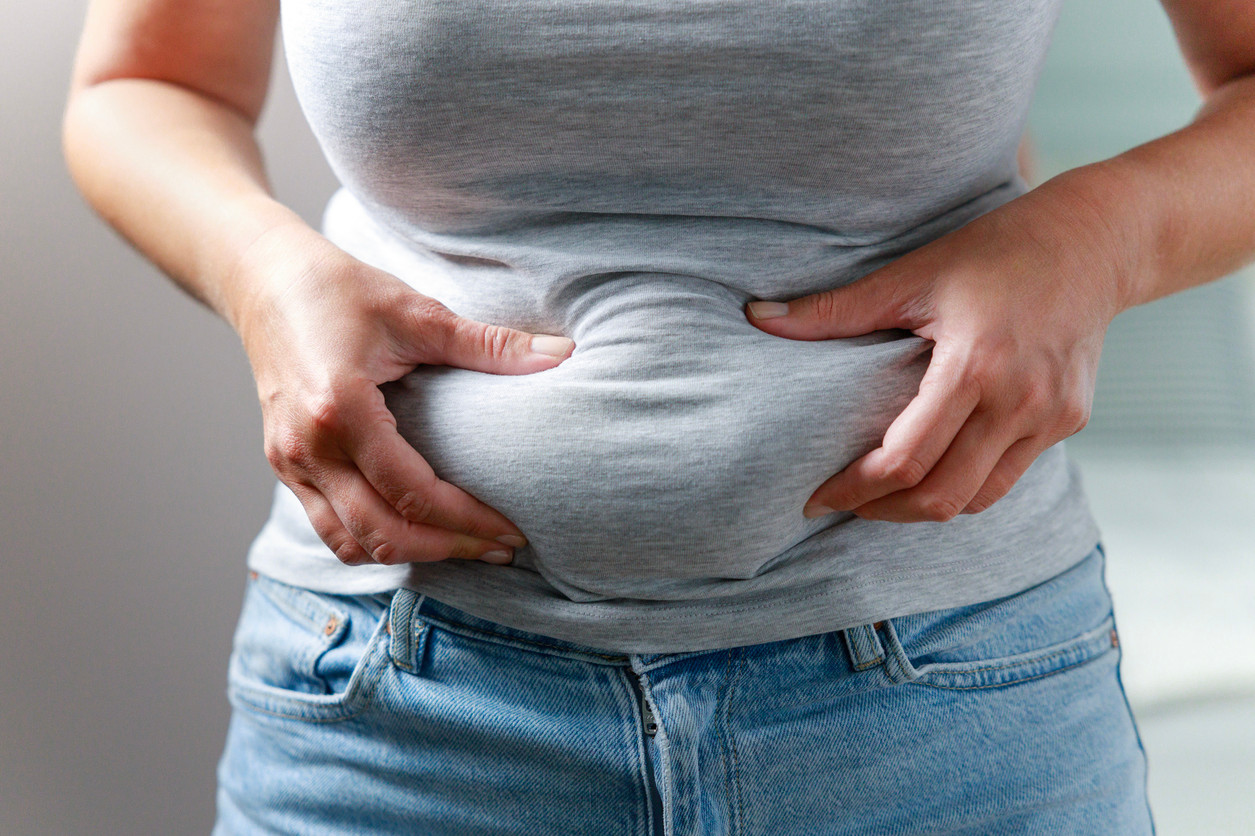
Many women notice changes in body shape and fat distribution around menopause. A meta-analysis of fat-mass changes during menopause found significant increases across several measures when premenopausal and postmenopausal women were compared. Menopause may contribute, but ageing, lower activity, sleep disruption, stress and loss of muscle also play important roles.
The answer is not a starvation diet. Severe restriction can reduce energy, worsen mood and increase the loss of muscle.
Begin with regular meals containing vegetables, suitable protein, fibre-rich foods and measured carbohydrate portions.
Protein supports muscle. Depending on dietary preference and health needs, sources may include dal, beans, eggs, fish, chicken, paneer, tofu or plain curd.
Strength training is particularly useful because muscle mass can decline with age. Exercises should match fitness, joint health and medical conditions.
Walking and other aerobic activity support cardiovascular fitness. A gradual plan is safer than beginning with intense daily exercise.
Sleep problems are common around menopause. Hot flushes, anxiety and insomnia can affect appetite, activity and food choices.
Loud snoring and severe daytime sleepiness may indicate sleep apnea. This condition can affect weight, blood pressure and overall wellbeing.
Alcohol can add calories and may worsen sleep or hot flushes. Reducing intake may help some women.
Stress and emotional eating deserve attention. A plan should include practical coping methods rather than blaming the person for lack of willpower.
A clinician may review thyroid function, glucose, blood pressure, cholesterol and medicines when weight changes are rapid or difficult to explain.
Polycystic ovary syndrome, depression, chronic pain and certain medicines can also influence weight.
Hormone therapy is not a weight-loss treatment. Its benefits and risks should be discussed individually with a qualified clinician.
Avoid supplements that promise to balance every hormone, melt belly fat or produce rapid results. Products may have weak evidence or interact with medicines.
Measure progress through waist, strength, stamina, sleep and health markers rather than using the scale alone.
Madhavbaug provides information about its supervised weight-management programme. Readers can learn about its broader metabolic and heart-health services through Madhavbaug.
Seek medical assessment for rapid unexplained weight change, abnormal bleeding, severe tiredness, chest discomfort or unusual breathlessness.
Menopause-related body changes are common, but every woman’s health needs are different. A sustainable plan should protect muscle, bone health, cardiovascular health and quality of life.