

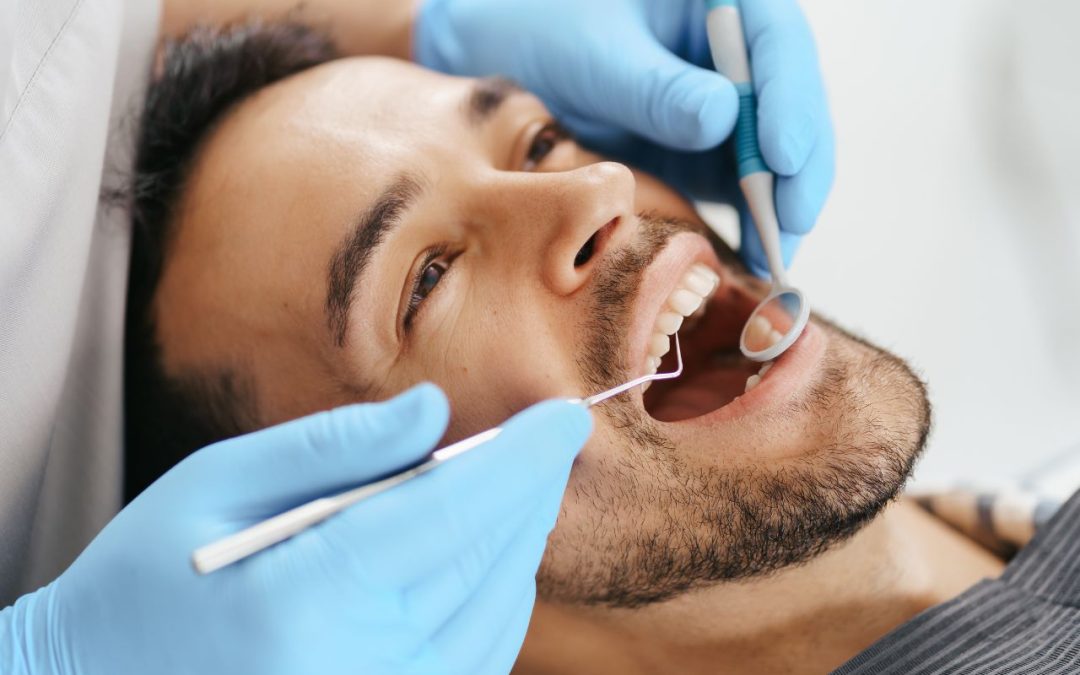
Stress is one of the most powerful influences on overall health, and surprisingly, its impact extends far beyond the mind and body. It also plays a significant role in oral health. Understanding how stress affects your dental health helps you recognize early warning signs and take preventive steps before small issues become serious.
In today’s fast-paced environment, chronic stress is almost inevitable. While occasional stress can be motivating, long-term emotional strain can alter behaviors, biological responses, and even immune function, directly affecting your teeth, gums, and mouth.
The Connection Between Stress and Oral Health
The mouth is one of the first areas to show the physical effects of stress. When you’re stressed, the body releases cortisol, a hormone that affects immune response and inflammation. Elevated cortisol levels over time can reduce the body’s ability to fight infection and maintain healthy tissue, including the gums and soft tissue in the mouth.
Beyond hormonal changes, stress alters habits that indirectly harm your oral health. Skipping brushing, late-night snacking, or excessive caffeine intake can all contribute to deterioration in dental hygiene. Many people also grind their teeth subconsciously or develop conditions linked to chronic tension. For London patients who notice these warning signs and want to address them before they escalate, MaryleboneSmileClinic offers access to a cosmetic dentist team experienced in diagnosing and managing stress-related dental concerns — from bruxism and gum sensitivity to enamel wear — as part of a thorough, whole-patient approach to oral health.
Biological Pathways
Chronic stress influences dental health through several mechanisms:
- Hormonal imbalance: Increased cortisol leads to weakened immunity and greater vulnerability to oral infections.
- Inflammation: Persistent stress fosters systemic inflammation that can worsen gum disease.
- Behavioral changes: People under stress often neglect oral care routines or turn to harmful coping behaviors like smoking or high sugar consumption.
Bruxism (Teeth Grinding) and Clenching
How It Happens
Bruxism is one of the most common oral conditions linked to stress. It involves the involuntary grinding or clenching of teeth, often during sleep or times of high tension. Many people are unaware they do it until they experience jaw pain, headaches, or worn-down teeth.
Effects on Dental Health
- Tooth wear: Chronic grinding erodes enamel, the tooth’s protective layer, leading to sensitivity and decay.
- Jaw pain and TMJ disorders: Continuous pressure strains jaw muscles and joints, sometimes leading to temporomandibular joint (TMJ) dysfunction.
- Cracked or fractured teeth: Severe bruxism can cause chips or cracks, requiring restorative dental work.
Prevention and Management
If stress-induced bruxism is suspected, dentists often recommend a custom night guard to protect teeth. Stress-reducing techniques such as deep breathing, mindfulness, or physical therapy for the jaw may also help manage the condition.
Gum Disease and Immune Response
The Stress-Inflammation Link
Chronic stress can make the body less efficient at controlling inflammation, which plays a major role in gum disease (periodontitis). When your immune system is compromised, bacteria in plaque can more easily attack gum tissue.
Symptoms to Watch For
- Red, swollen, or bleeding gums
- Persistent bad breath
- Gum recession and tooth mobility
How Stress Makes It Worse
When you’re under prolonged stress, you may brush less frequently, skip flossing, or choose comfort foods high in sugar. These behaviors provide fuel for harmful oral bacteria. Over time, this combination of neglect and immune suppression accelerates the development of periodontal disease.
Long-Term Consequences
Untreated gum disease can lead to tooth loss and is associated with other systemic conditions, including cardiovascular problems and diabetes. Maintaining consistent oral hygiene and regular dental visits is critical during stressful periods.
Dry Mouth and Reduced Saliva Production
Why It Happens
Stress affects the autonomic nervous system, reducing saliva production in some individuals. Saliva is essential for washing away food particles and neutralizing acids. A decrease in saliva leads to a condition known as xerostomia (dry mouth).
Effects of Dry Mouth
- Increased risk of cavities: Less saliva means less natural cleaning and protection against acids.
- Difficulty swallowing or speaking: The lack of moisture can cause discomfort and impact speech.
- Oral infections: Fungal infections like oral thrush are more common when the mouth is dry.
Managing Dry Mouth
To combat dryness, stay hydrated, chew sugar-free gum to stimulate saliva, and avoid alcohol or caffeine, which worsen dehydration. Your dentist can recommend saliva substitutes or specific mouth rinses designed for dry mouth relief.
Canker Sores and Mouth Ulcers
The Stress Connection
Emotional stress is a well-known trigger for canker sores (aphthous ulcers), which are small, painful lesions on the soft tissues inside the mouth. They’re not contagious but can cause discomfort, especially when eating or talking.
How Stress Triggers Them
Stress weakens the immune system and increases inflammation, making it easier for small injuries or irritations in the mouth to develop into ulcers. Poor sleep, nutritional deficiencies, and hormonal fluctuations under stress can further aggravate the problem.
What You Can Do
Most canker sores heal on their own within 1 to 2 weeks, but to speed healing, use salt-water rinses, avoid spicy foods, and maintain a balanced diet rich in vitamins B12, folate, and zinc.
Neglecting Oral Hygiene During Stress
Behavioral Impact
When people are under heavy stress, self-care routines often slip. Oral hygiene is usually among the first habits to suffer. Missing nighttime brushing, rushing through flossing, or indulging in sugary snacks for comfort can create an ideal environment for bacteria.
Common Outcomes
- Increased plaque accumulation
- Higher risk of cavities and bad breath
- Stained teeth from increased caffeine intake
Preventive Steps
Creating small, manageable routines can help maintain oral care even in stressful times. For example, keeping dental supplies in visible areas and setting reminders on your phone can make hygiene easier to prioritize.
Impact of Stress on Dental Appointments and Healing
Avoidance Behavior
Many people experience “dental anxiety,” which stress can intensify. When this happens, they might postpone cleanings or skip appointments, allowing small dental issues to worsen.
Slower Healing
Stress affects the body’s healing ability. After dental procedures such as extractions or gum treatments, stressed individuals may heal more slowly due to suppressed immune response and reduced blood flow to tissues.
Overcoming the Cycle
Addressing dental anxiety through relaxation techniques, clear communication with your dentist, and incremental treatment plans helps maintain consistent care and prevents future complications.
Nutrition, Cravings, and Oral Health
Stress-Related Eating Habits
Emotional stress can change appetite and food preferences. Many people turn to sugary or processed foods for comfort, which accelerates tooth decay. Acidic drinks like soda or energy drinks compound the damage by weakening enamel.
Smart Dietary Adjustments
- Replace sugary snacks with high-fiber fruits and vegetables that help clean teeth naturally.
- Stay hydrated to promote saliva production.
- Opt for calcium-rich foods like yogurt and leafy greens to strengthen enamel.
How to Protect Your Teeth During Stressful Times
Prioritize Consistent Oral Care
Even when life feels overwhelming, simple steps can safeguard your oral health:
- Brush twice daily with fluoride toothpaste.
- Floss at least once a day to remove plaque between teeth.
- Use mouthwash to reduce bacteria and freshen breath.
- Avoid smoking and excessive alcohol, which amplify oral health risks.
Manage Stress Proactively
Stress management isn’t just about mental health—it’s also about oral well-being. Incorporate techniques such as:
- Exercise: Regular movement reduces cortisol levels and tension.
- Mindfulness or meditation: Helps calm jaw muscles and reduce bruxism.
- Adequate sleep: Restorative sleep strengthens immunity and promotes healing.
- Therapeutic outlets: Talking with a counselor or therapist can relieve chronic stress that impacts oral health.
Regular Dental Checkups
Don’t skip your dental visits during high-stress periods. Professional cleanings can catch problems early and provide solutions tailored to your symptoms, such as night guards for grinding or mouth rinses for dryness.
Frequently Asked Questions (FAQ)
Q1: Can stress actually cause tooth decay?
Indirectly, yes. Stress encourages behaviors like neglecting brushing, consuming sugary foods, or smoking, all of which raise the risk of cavities. Additionally, dry mouth from stress reduces saliva protection against decay.
Q2: Why do my teeth feel sore when I’m stressed?
Jaw tension and teeth grinding can create soreness in the muscles and teeth. If the pain persists, it may indicate bruxism or TMJ issues that require dental evaluation.
Q3: Can meditation or relaxation techniques improve oral health?
Yes. Mindfulness practices reduce tension-related behaviors like grinding and help regulate cortisol levels, lowering inflammation that affects gum health.
Q4: How can I tell if I grind my teeth at night?
Common signs include waking up with jaw pain, headaches, or noticing worn-down teeth. A dentist can identify patterns of wear and suggest a night guard if needed.
Q5: Are stress ulcers in the mouth dangerous?
Most stress-related canker sores are harmless and heal naturally, but if sores persist for more than two weeks, a dental visit is recommended to rule out infections or other conditions.
Q6: What lifestyle changes can reduce stress-related oral problems?
Regular exercise, a balanced diet, proper hydration, quality sleep, and relaxation techniques all help minimize stress and its oral consequences.
Q7: Can stress affect the success of dental treatments?
Yes. Stress can slow healing and weaken immune defenses, potentially complicating recovery from dental procedures. Managing stress before and after treatment supports better healing outcomes.
Recognizing how stress affects your dental health is key to preserving both your smile and overall well-being. By balancing emotional health with consistent oral care and professional guidance, you can minimize the harmful effects of stress on your mouth and maintain lasting dental health for years to come.